Photography at the Van Gogh Museum – Tips and Etiquette
Get smart tips for taking photos inside the Van Gogh Museum in Amsterdam while respecting the art, rules, and other visitors.
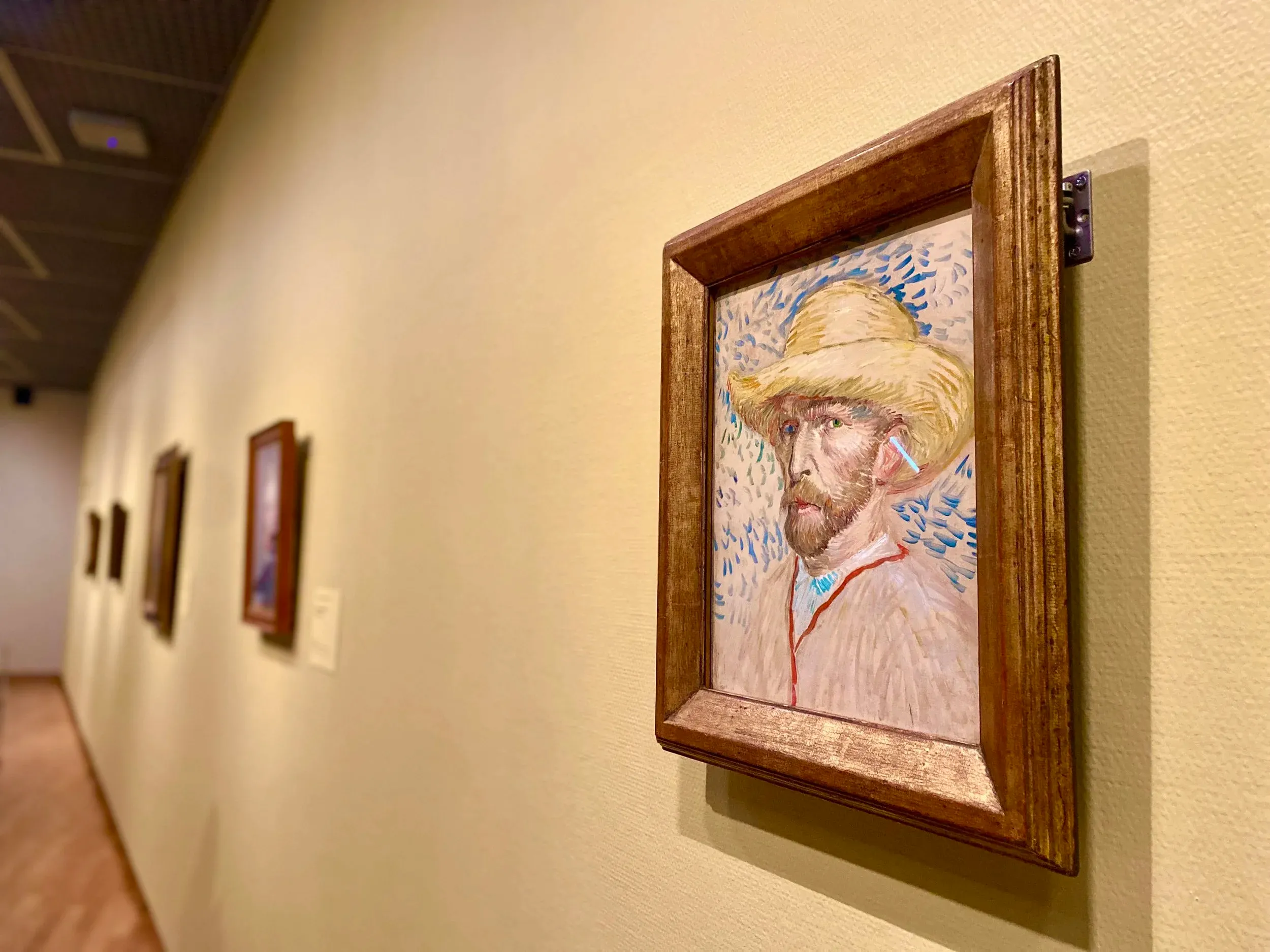
You can take photos at the Van Gogh Museum in many areas, but the goal is to add to your visit, not replace it. Here’s how to come home with meaningful images and memories.
1. Learn the basic rules first
Typical museum rules include:
- Photos for personal use only.
- No flash, no tripods, no selfie sticks.
- Respect any “no photo” signs in special exhibitions.
📌 Etiquette mantra:
If your photo blocks someone else’s view, it’s not worth it.
2. Shoot the experience, not just the paintings
Great museum photos often include:
- Silhouettes of people looking at paintings.
- Reflections in glass and polished floors.
- Architectural lines in staircases and the glass entrance hall.
Ideas:
- Capture a friend from behind, framed by Sunflowers.
- Photograph hands holding the floor plan over a blurred painting.
- Take a wide shot of a room instead of zooming only on one canvas.
3. Handling reflections and low light
Museums are tricky for cameras.
Smartphone tips:
- Wipe your lens (seriously, it helps).
- Tap to expose on the painting, then slide slightly down to preserve detail.
- Shoot slightly from the side to avoid your own reflection.
If you use a camera:
- Use a higher ISO and accept some noise.
- Keep shutter speed high enough to avoid blur from hand‑shake.
- Avoid constant chimping (checking every shot) so you don’t miss the art.
4. Build a photo story
Instead of 200 similar shots, aim for a tiny visual story:
- Establishing shot – exterior of the museum on Museumplein.
- Environment – entrance hall, staircases, crowds.
- Details – brushstrokes, labels, hands, sketchbooks.
- Emotional moment – someone absorbed in a painting.
- Closing image – you or your shadow leaving the building.
🖼️ Edit afterwards:
Later, keep only 10–15 meaningful photos. Delete the rest so your memory is curated, not cluttered.
5. Know when to put the camera away
Pick two or three rooms where you promise yourself:
- No photography.
- Just looking, maybe a few notes.
You’ll often remember these camera‑free moments the most — and that’s the best souvenir.
저자 소개

Travel Photographer
이 안내문은, 반 고흐 미술관에서 보내는 시간이 ‘체크 리스트를 채우는 관람’이 아니라, 나와 작품 사이에 조용한 대화가 오가는 시간이 되기를 바라는 마음으로 작성되었습니다.
Tags
Comments (0)
Loading comments...